YOUR TREE IS PLANTED IN

KALAMBURO

MADAGASCAR

ABOUT KALAMBURO

Madagascar is the 4th largest island on the planet, a place 22 million people call home, and a biodiversity hotspot. 90% of animal and plant life are unique to Madagascar with over 200,000 unique species of plants and animals that don’t exist anywhere else in the world.

But In the last 50 years, more than 90% of Madagascar’s original forests have been destroyed, displacing entire animal species and taking away the ability to farm and live on the land.  Entire mangrove estuaries are gone, leaving the bare earth to wash away into the sea.

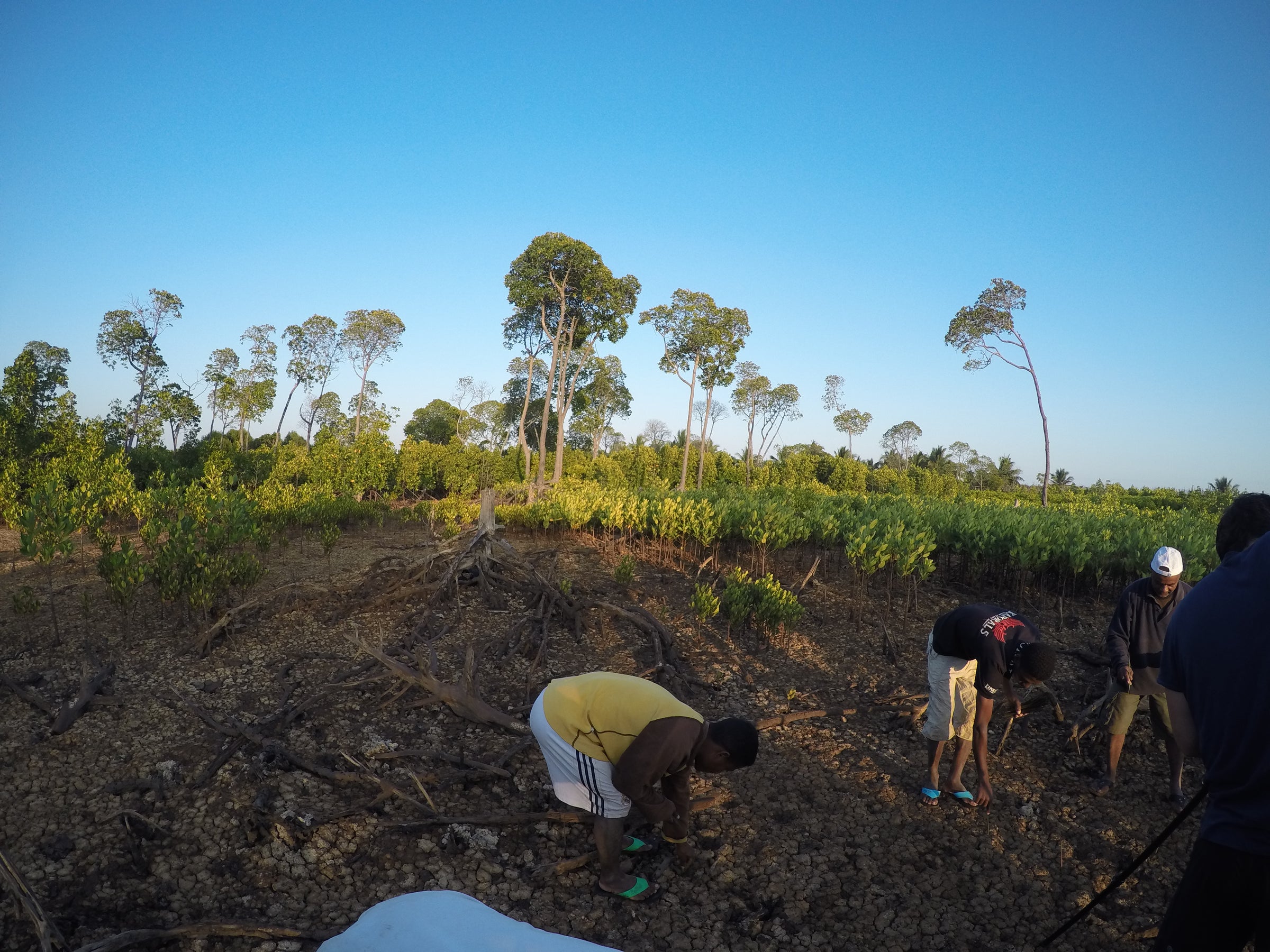
We are passionate about our work in Madagascar. Our approach to reforestation is employing local villagers to plant trees, to rebuilding forests, to lift people out of poverty and restore that which was almost lost.

Reforestation provides habitat for endangered species, absorbs carbon, halts erosion and flooding and brings back healthy farming and fisheries.

COASTAL HEALTH

Mangroves are critical to coastal health, stabilizing shorelines with their dense root systems that reduce erosion and buffer communities from storm surge and flooding. They also filter pollutants, trap sediment, and create rich nursery habitats

marine habitats

Mangroves support biodiversity by creating complex root systems that provide shelter, breeding grounds, and nursery habitat for fish, crustaceans, birds, and countless marine species. Their unique transition zone between land and sea sustains a wide range of organisms, forming one of the most biologically productive and diverse ecosystems on the planet.

carbon sequestration

Mangrove forests are one of the most effective natural systems for carbon sequestration. As mangrove trees grow, they absorb carbon dioxide from the atmosphere and store it in their trunks, roots, and especially in the deep, waterlogged soils beneath them.