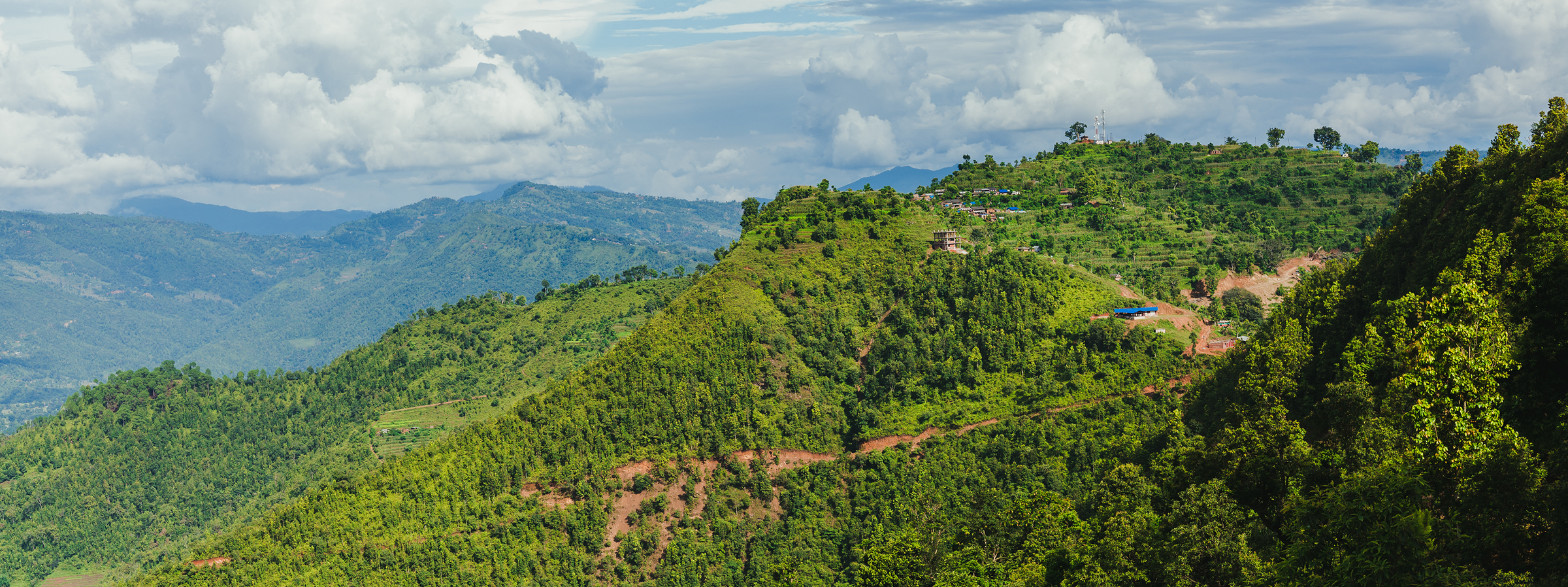
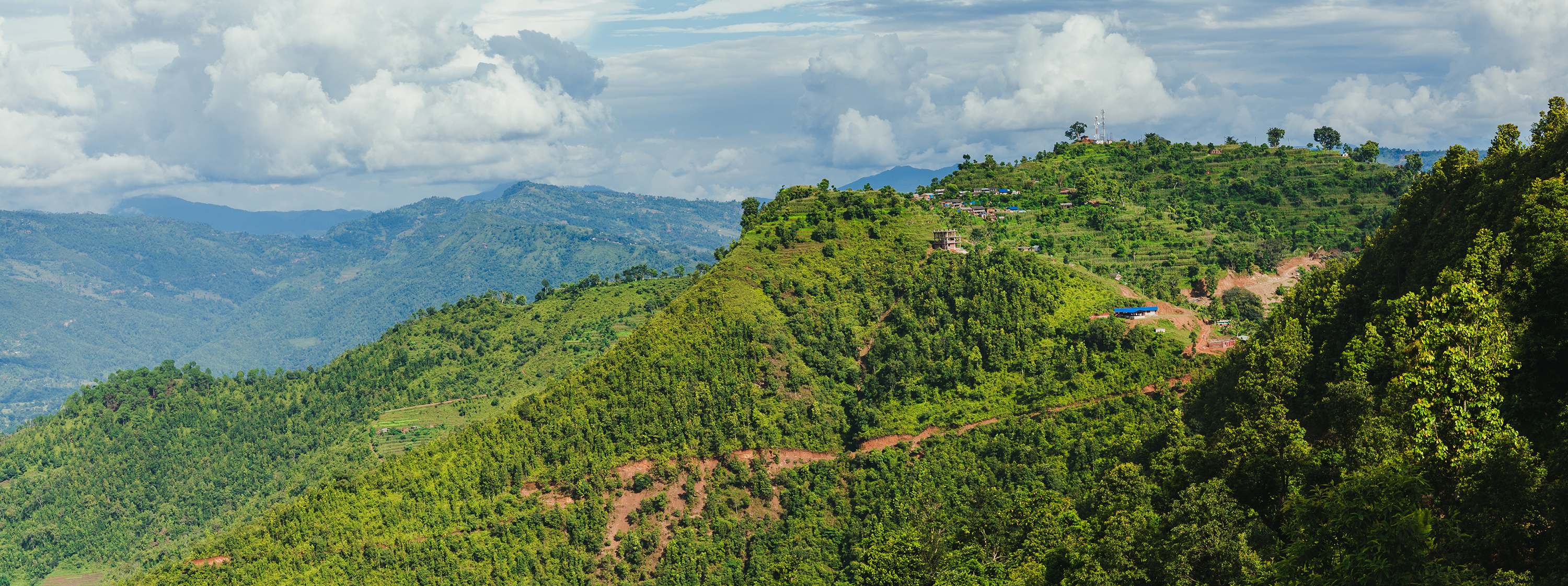
your tree is planted in

LAXMI STHAN VILLAGE

NEPAL

ABOUT LAXMI STHAN VILLAGE

Nepal is one of the poorest and least developed countries in the world and rural villagers in Nepal directly depend on their natural environment for food, shelter, and income. When the local environment is damaged or destroyed, the poor are the first to feel the negative effects. Forced to live on marginal lands, they are at greatest risk. Without financial resources or the knowledge to manage vulnerable resources in a sustainable way, they often further degrade their lands in order to survive. In this way, the problem perpetuates their poverty.

Eden Reforestation Projects is working to support poverty alleviation and environmental restoration across the country and has already planted over 1 million trees. Starting in 2015, Eden has been working in 3 distinct regions across the country, including a partnership with Chitwan National Park, a World Heritage Site in Nepal. By partnering with the National Park system, Eden Projects is helping to protect and create a reforested buffer zone that is vital to protect animal habitat.

27 endangered mammal species that have their habitat restored.

Wildlife corridors

By restoring native vegetation in these specific pathways, reforestation projects reduce human-wildlife conflict by keeping animals away from agricultural settlements. This strategic landscape management ensures that large mammals have the expansive range they need to hunt, breed, and migrate across the Terai and Himalayan foothills.

support local food suply

By stabilizing soil, improving water retention, and rebuilding forest ecosystems, newly planted trees create better growing conditions for nearby farms and community gardens. These restored forests also provide fruits, nuts, medicinal plants, and habitat for pollinators that are essential for crop production. Together, these benefits strengthen food security, support rural livelihoods.

endangered species protection

Restoration has been the backbone of biodiversity recovery, reconnecting fragmented landscapes across the Terai and the Himalayas. By restoring native vegetation and stabilizing fragile slopes, these forests protect the specialized ecosystems that Nepal’s most vulnerable and iconic wildlife depend on for survival.