




SUPERIOR
NATIONAL FOREST
NATIONAL FOREST
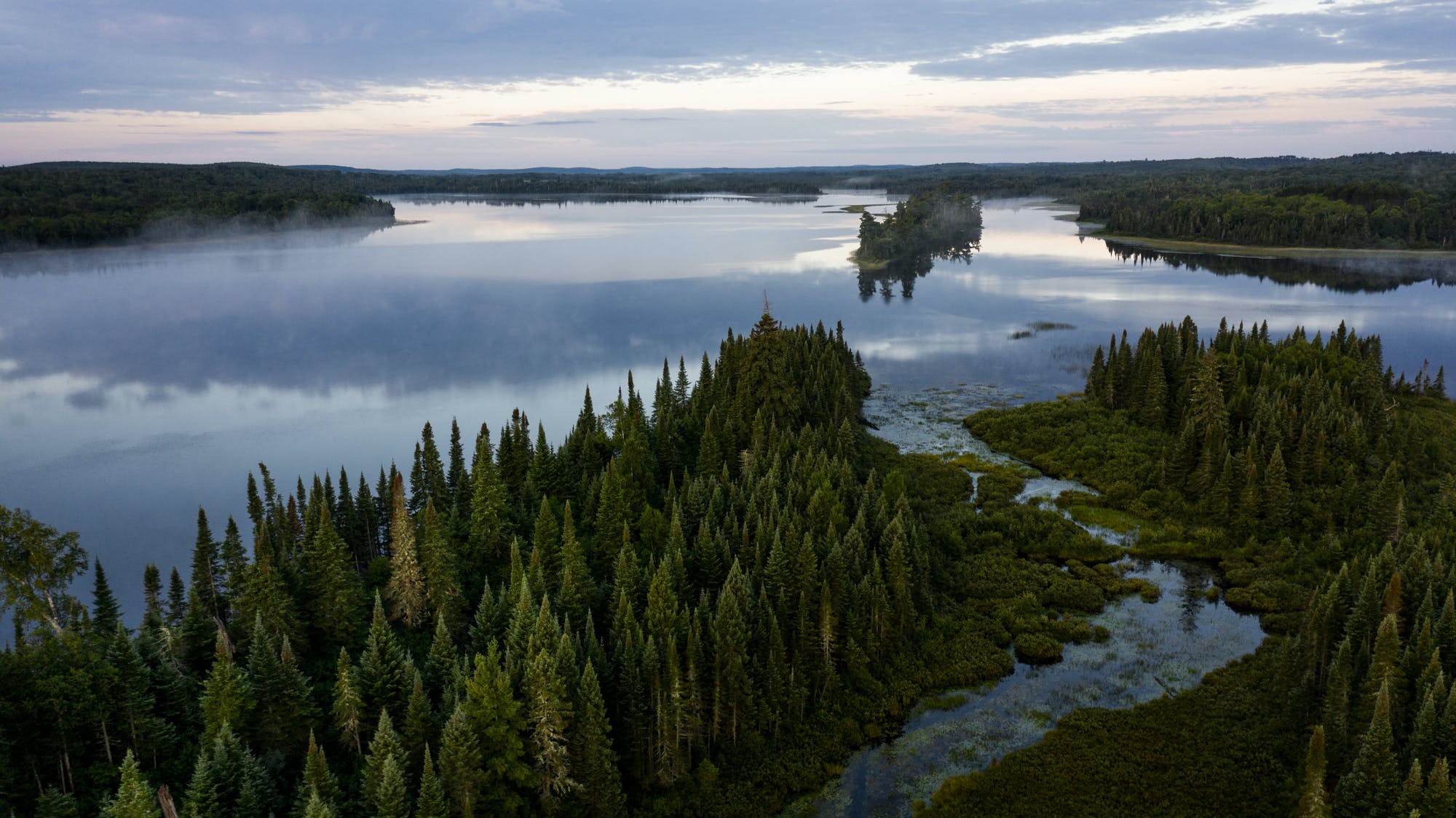
Established in 1909, the Superior is known for its boreal forest ecosystem, numerous clean lakes, and a colorful cultural history. The one million-acre Boundary Waters Canoe Area Wilderness lies within the boundaries of the Forest. Management by the USDA-Forest Service, under principles of ecosystem management and multiple use, the Forest provides for a diverse community of plants and animals as well as products for human needs. The concept of "all lands" management maintains strong partnerships and collaboration across the landscape.
Wildlife corridors are vital stretches of natural habitat that connect separated areas of wilderness, allowing animals to travel safely between fragmented landscapes. By providing safe passage across roads, urban developments, and farmlands, these corridors enable species to find food, mate, and adapt to changing environments.
Public lands belong to everyone, serving as protected spaces where wildlife can thrive and natural ecosystems remain intact. Supporting them ensures clean air and water, protects crucial habitats, and preserves breathtaking landscapes for future generations to explore.
Deep root networks bind the soil to prevent erosion, while foliage catches rainfall to slow down runoff before it washes into the watershed. By absorbing excess nutrients and trapping sediment, trees keep toxic algal blooms at bay and safeguard pure drinking water and aquatic habitats